Quality at Last
After the lean years of 1992, 1993, and 1994, 1995 felt like breathing freely again after a long cold in Champagne. Finally, a vintage that deserved its name. Maybe not a superstar, but a vintage with substance, balance, and genuine class.
1995 lives in the shadow of its formidable successor 1996, and that's somewhat its fate: always being second. But anyone who dismisses 1995 as merely a warm-up for 1996 is making a mistake. This vintage has its very own character.
The Weather in 1995
The weather year 1995 was exceptionally favorable for Champagne. The winter was cold enough to give the vines a good rest period. Spring came moderately, no frost damage, an even flowering from early to mid-June.
The summer was warm but not excessively hot. July brought sunshine and moderate rainfall, August was dry and sunny. The vines could develop evenly without the stress of extreme heat or drought.
September was the key: Warm days and cool nights enabled slow, balanced ripening. The grapes developed good sugar levels while retaining acidity, the perfect combination for Champagne.
The harvest began in late September under ideal conditions. The fruit was healthy, ripe, and consistently high quality across all crus.
Style of the Vintage
1995 produced Champagnes that are best described as harmonious and elegant:
- Balanced fruit, ripe citrus fruits, white peach, apricot
- Good acidity, present but integrated, not dominant
- Creamy texture, silky, with pleasant fullness on the palate
- Floral notes, linden blossom, jasmine, a hint of acacia honey
- Medium to long aging potential, the best drink beautifully after 15-25 years
If 1996 is the stern professor, then 1995 is the charming lecturer, less demanding, but convincing in its own way.
Grape Variety Performance
Both main grape varieties delivered convincing results in 1995:
Chardonnay benefited from the long, cool ripening phase and showed a beautiful balance of fruit and acidity. The Côte des Blancs delivered excellent material, even if the great minerality and tension of 1996 was still missing. Blanc de Blancs from 1995 were elegant, pleasurable to drink, and have developed well.
Pinot Noir was also strong. The warm summer months brought ripe, richly colored grapes with good tannin structure. Rosé Champagnes and Pinot-dominated cuvées from 1995 showed beautiful fruit depth.
Pinot Meunier rounded out the picture, solid as always, with the typical fruity accessibility.
Comparison: 1995 vs. 1996
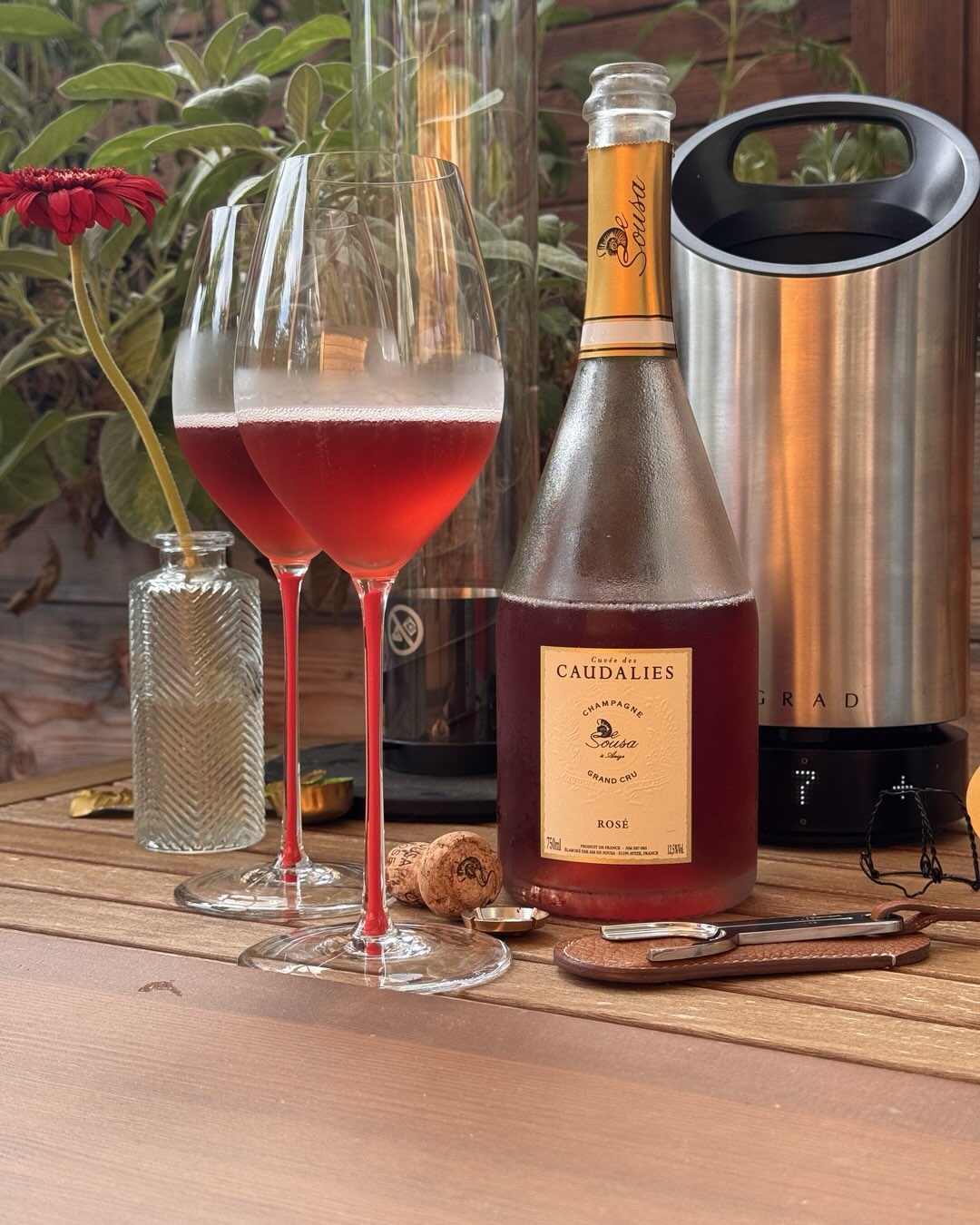
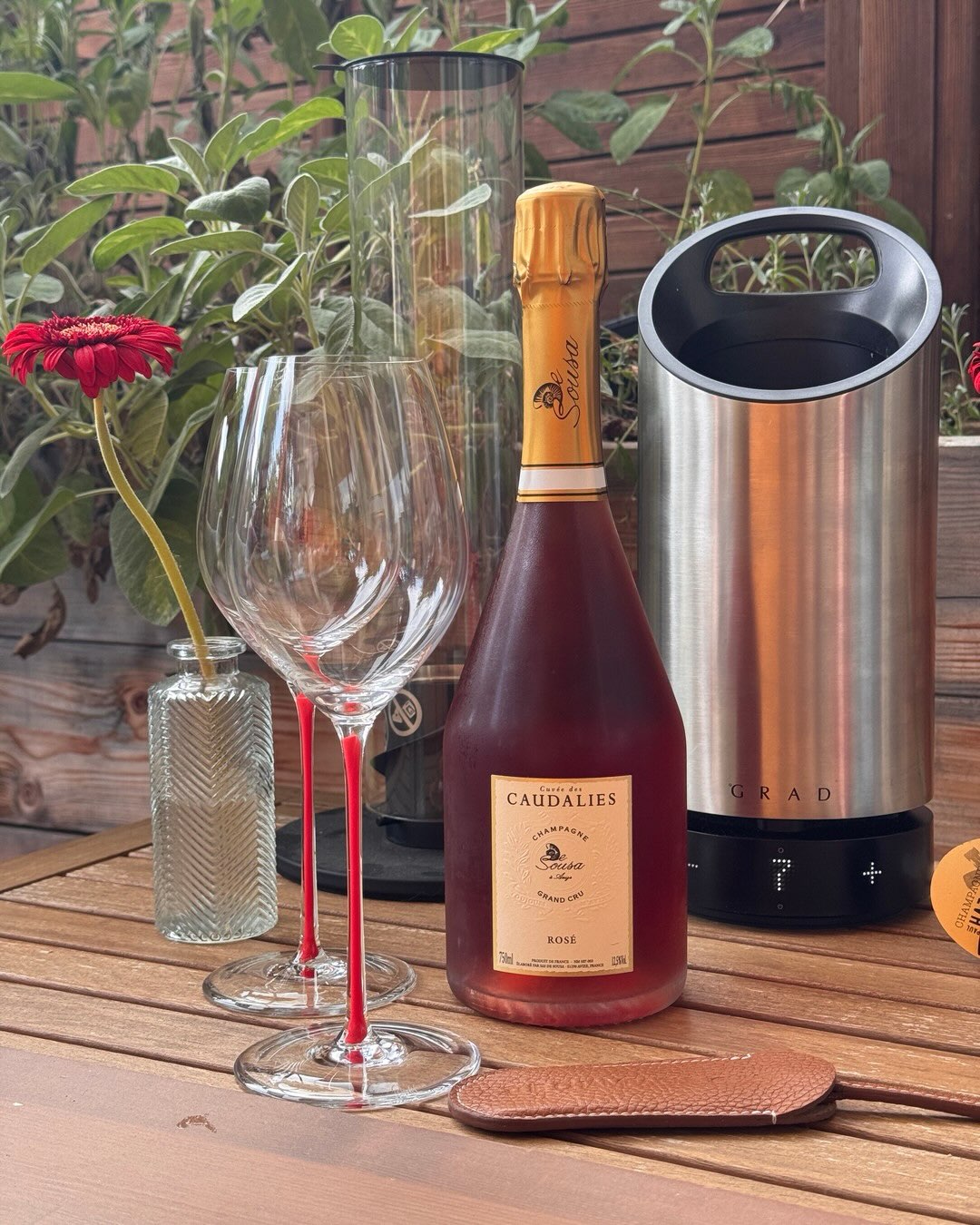
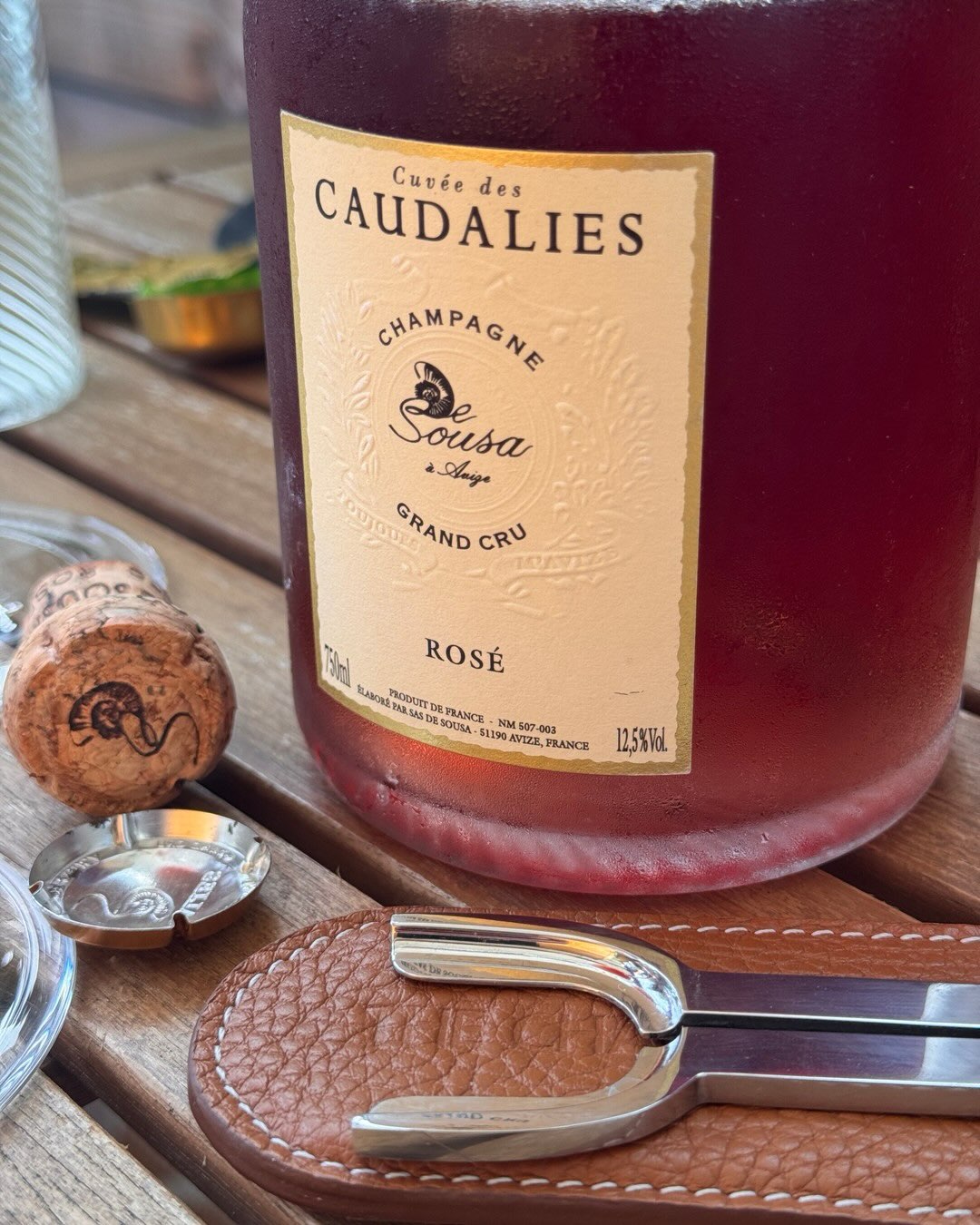
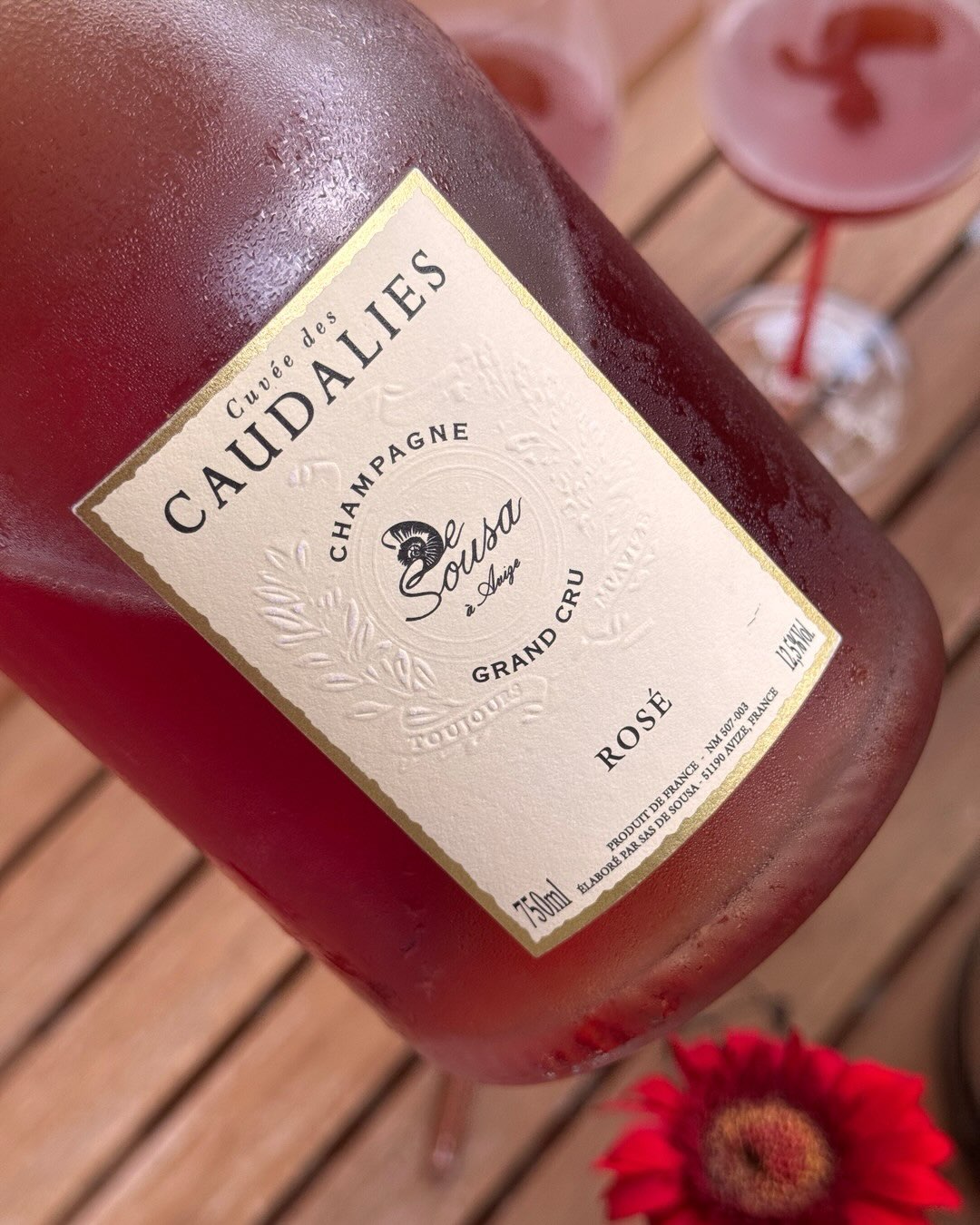
the_champagne.guy Die Farbe irritiert mich bei dieser Flasche. Ein tiefes Rubinrot, fast wie ein Saignée-Rosé aber beim Aroma keine dunkle Beerenfrucht, kein schweres Kompott sondern Rhabarber, Grapefruit, eine schöne hefige Note. Die Säure ist straff und präzise. Nicht das was bei dieser Farbe erwartet hätte. Was hier so tief leuchtet, sind 90% Chardonnay aus Avize aus Reben, die über 60 Jahre alt sind und 10% Pinot Noir aus Aÿ. Beide Lagen Grand Cru. Vinifiziert komplett im Eichenfass, ungefiltert. Das erklärt die Textur, nicht die Farbe. 🍾 Assemblage: 90% Chardonnay (Avize), 10% Pinot Noir (Aÿ) 🏆 Jahrgang: NV 🍷 Ausbau: 100% Eichenfass, ungefiltert 🥂 Dosage: 3 g/l (Brut Nature) 📍 Lage: Avize + Aÿ, Grand Cru 💡 Charakter: straff, zitrisch, würzig, cremig @champagnedesousa baut seit 1986 in Avize, angefangen mit dem Großvater Manuel, der als portugiesischer Soldat im Ersten Weltkrieg in die Champagne kam und blieb. Heute führen die drei Kinder Charlotte, Julie und @valentindesousa das Haus. Seit 2010 Bio-zertifiziert, seit 2013 Demeter-biodynamisch. 9,5 Hektar, ausschließlich Grand Cru-Lagen: Avize, Cramant, Oger, Le Mesnil-sur-Oger für Chardonnay, dazu Aÿ und Ambonnay für den Pinot Noir. Die Caudalies-Linie läuft auf einem Solera-System das 1995 gestartet wurde. Diese Rosé-Variante ist eine der wenigen, bei der das Haus Pinot Noir aus Aÿ einsetzt, und eine der seltensten Chardonnay-dominierten Rosés im Grand Cru-Segment mit so wenig Dosage. Dass 90% Chardonnay einen Rosé so tief einfärbt und trotzdem so frisch bleibt ist das eigentliche Kunststück hier. #BrutNature @riedel_official @riedelteam_france @laclaye @grad.dk @grad_rd #GrandCru #CotedesBlancs #DeSousa #TheChampagneGuy
Auf Instagram weiterlesen →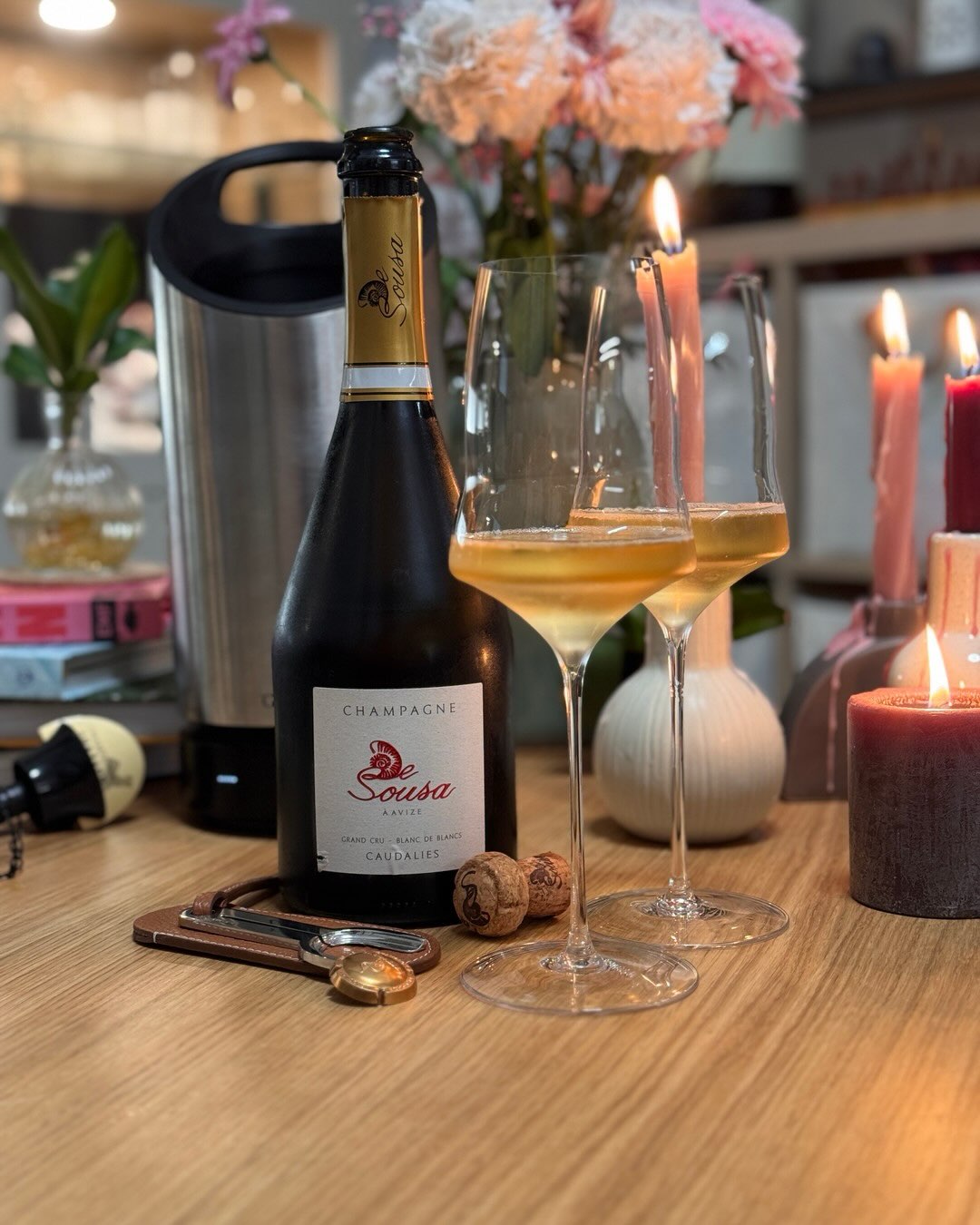
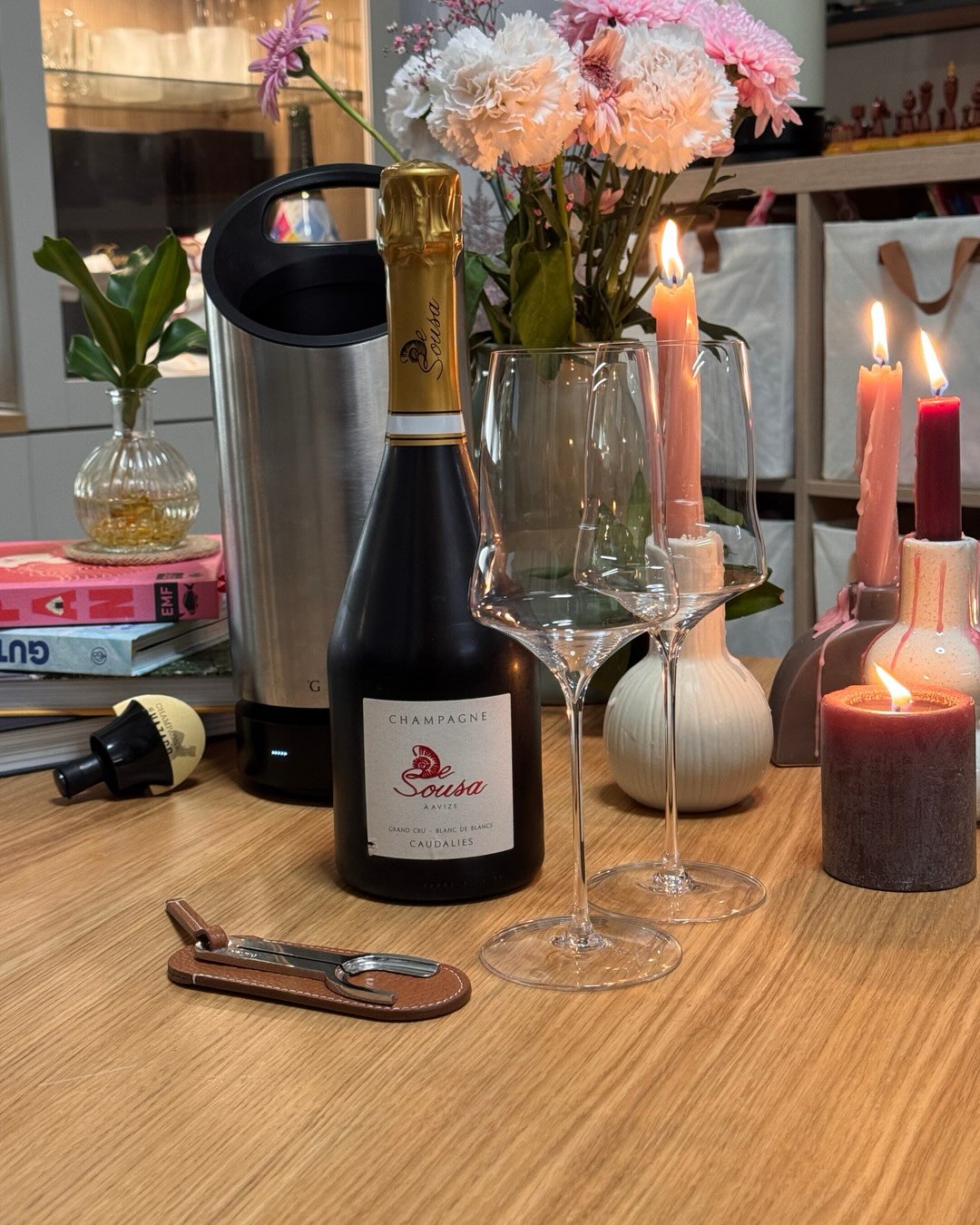
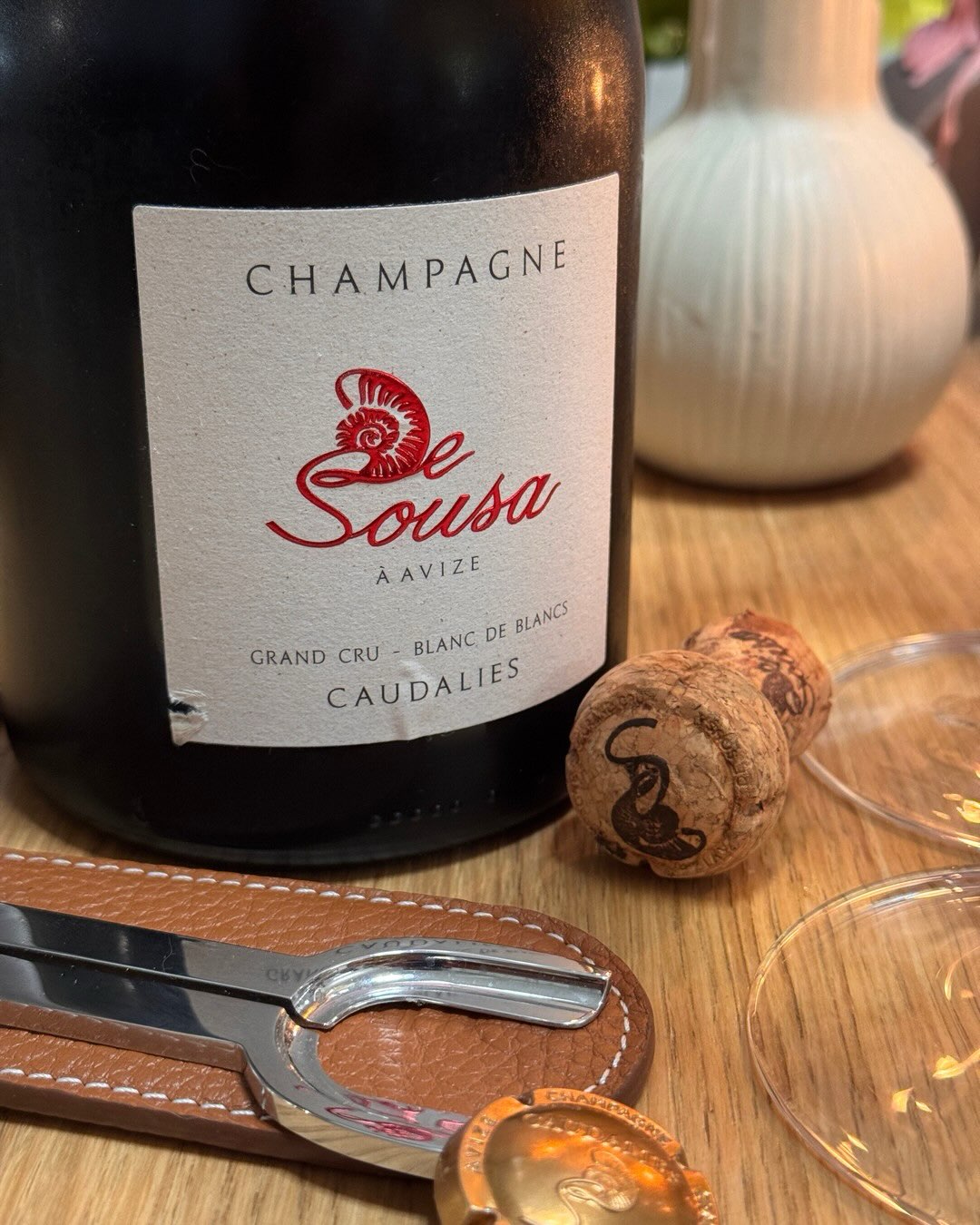
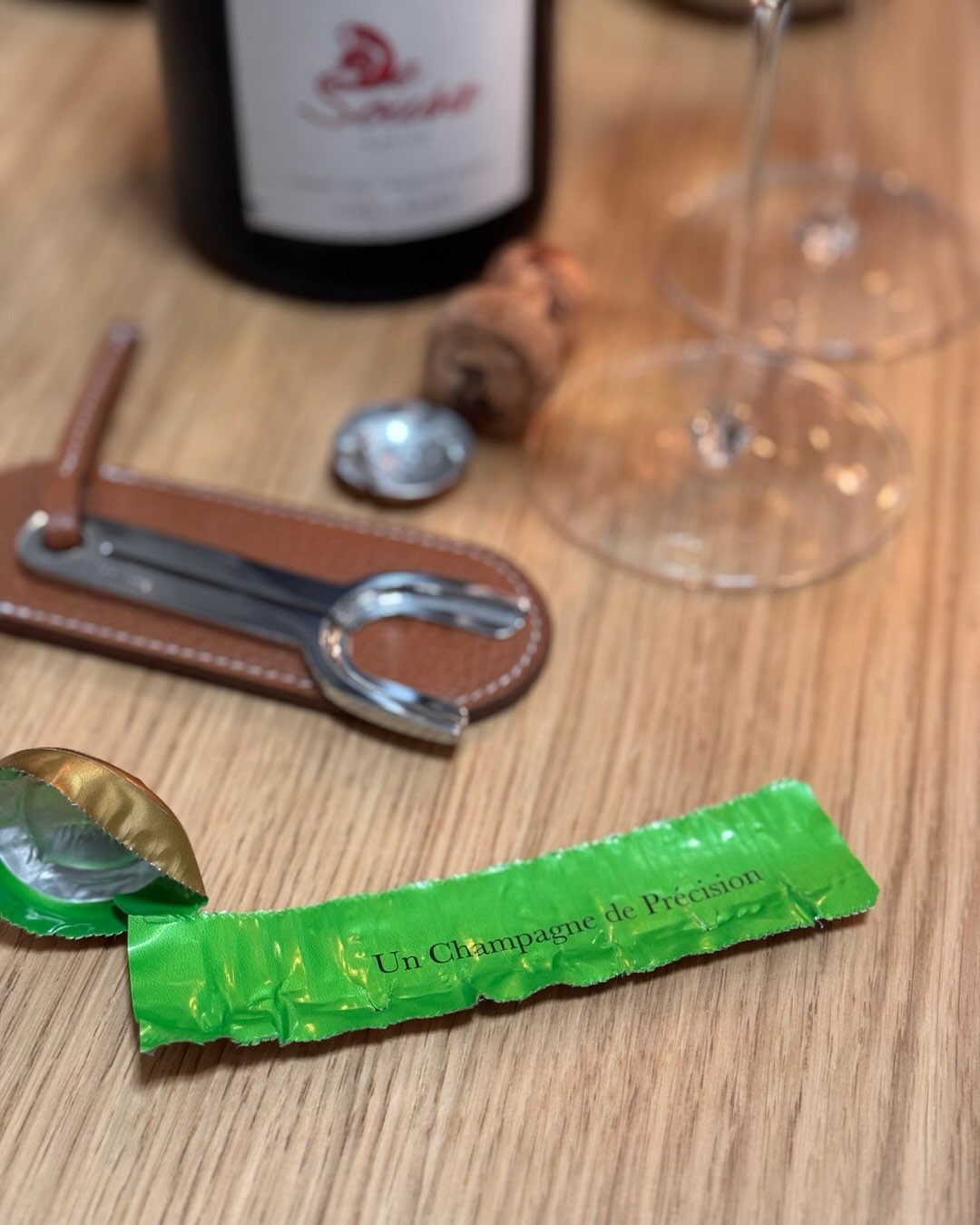
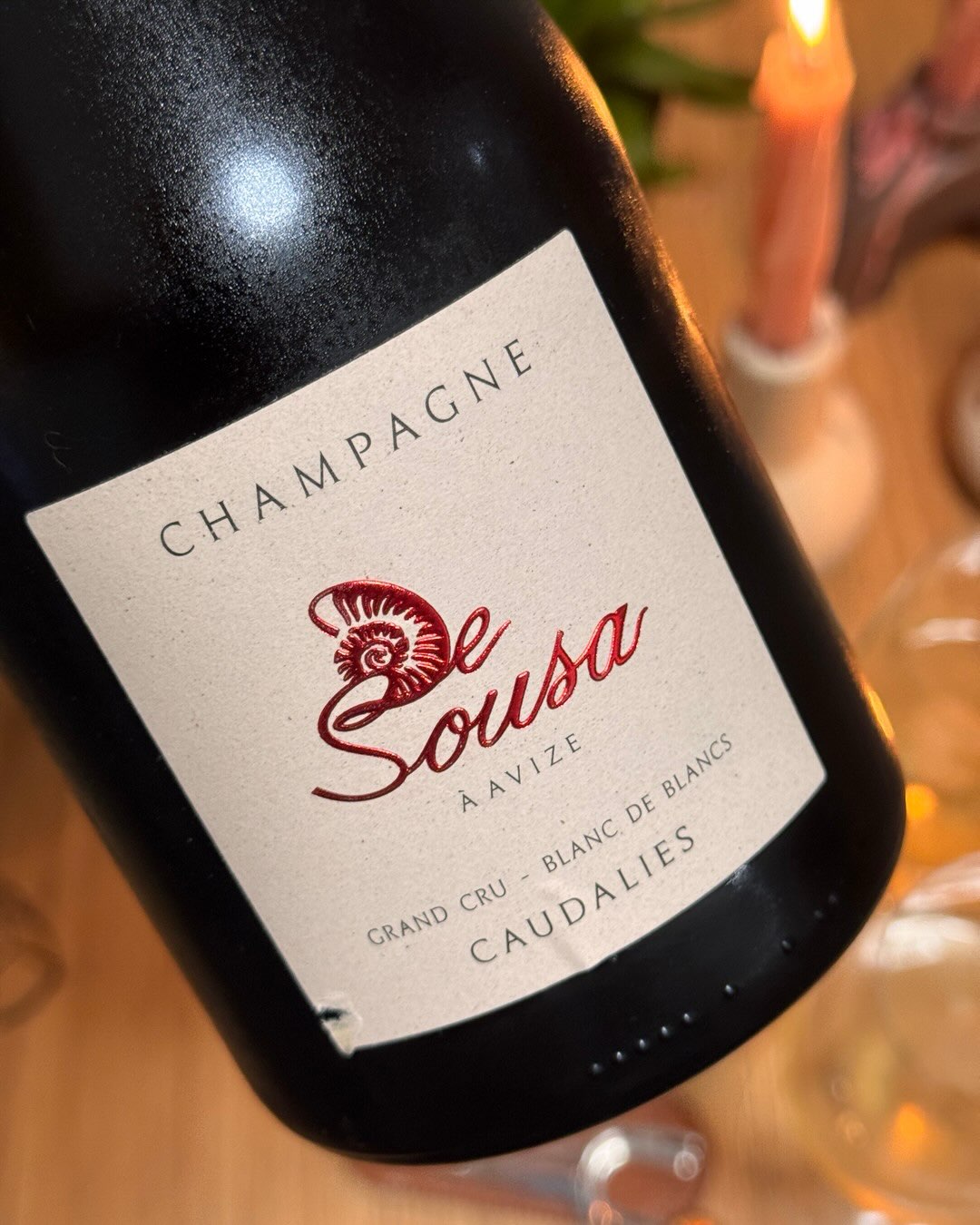
the_champagne.guy 50% Réserve perpétuelle, Demeter-zertifiziert, Chardonnay aus Avize. Und trotzdem überrascht mich @champagnedesousa mit der Caudalies jedes Mal neu. @champagnedesousa vinifiziert diese Cuvée ausschließlich aus Chardonnay-Trauben aus ihren Grand-Cru-Lagen in Avize, auf reinen Kreideböden mit Belemnit-Fossilien. Was diese Cuvée besonders macht ist, dass die Hälfte des Weins aus der Réserve perpétuelle kommt, einem Solera-System, das Erick De Sousa 1995 gestartet hat. Seit 2020 führen seine drei Kinder Charlotte, @juliedesous_ und @valentindesousa das Haus weiter. Biodynamisch nach Demeter-Standard seit 2013, das Weingut ist zudem bekannt für Reben mit einem Durchschnittsalter von über 45 Jahren. 🍾 Assemblage: 100% Chardonnay 🏆 Jahrgang: NV 🍷 Ausbau: Eichenfass, Demeter biodynamisch, unfiltriert ⏱ Reifung: Réserve perpétuelle seit 1995 (50% Anteil) 🥂 Dosage: 5 g/l (Extra Brut) 📍 Lage: Avize, Grand Cru – Côte des Blancs 💡 Charakter: knackig, präzise, würzig, holzgebunden Was am Anfang kurz auffällt, ist das Holz. Vinifiziert im Eichenfass und unfiltriert bindet sich das Aroma aber perfekt ein, bleibt frisch, und der Blanc-de-Blancs-Charakter kommt klar und knackig durch. Das ist genau der Extra-Brut, den ich mag. #BlancdeBlancs #Avize #DeSousa @josephinenhutte @laclaye @grad.dk @grad_rd #ExtraBrut #TheChampagneGuy
Auf Instagram weiterlesen →This comparison is inevitable:
| Characteristic | 1995 | 1996 |
|---|---|---|
| Acidity | High but integrated | Very high, dominant |
| Fruit | Ripe, accessible | Taut, restrained |
| Drinking window | Earlier accessible | Needed much patience |
| Aging potential | 15-25 years | 25-40+ years |
| Character | Harmony | Tension |
Both vintages are respectable, but they serve different preferences. Those seeking elegance and drinking pleasure will find it in 1995. Those wanting intellectual challenge and eternal youth reach for 1996.
More Millésimes Than in Previous Years
After the doldrums of 1992-1994, significantly more houses again declared a vintage Champagne. The quality was broad enough to also justify prestige cuvées. Not all the big names declared 1995, some saved their resources for the exceptional year 1996 that was emerging, but the selection is noticeably larger than in previous years.
Drinking Window Today
The best '95s still have charm even after 30 years. They show mature aromas, nuts, brioche, candied lemon, but retain a certain freshness. However, most are approaching the end of their drinking window. Anyone who has a bottle shouldn't wait too much longer.
The second tier, simpler cuvées, smaller producers, is probably already past its peak. Here the rule is: open and hope.
Conclusion
1995 deserves more attention than it gets. An elegant, balanced vintage that brought joy back to Champagne after years of sadness. That it's overshadowed by 1996 is its only flaw, and that's not really one at all.