A Year of Patience
2010 demanded everything from the winemakers of Champagne. Not an easy year, neither the weather nor the harvest nor the quality made things simple. A vintage that required strict selection and ultimately produced truly convincing material only in the hands of the best winemakers.
The Weather in 2010
The weather year 2010 was a game of patience. The winter was unusually cold and long, with frost periods extending into March. Spring came hesitantly, temperatures remained cool, budbreak was delayed.
Flowering occurred late, from mid to late June, and proceeded unevenly. Coulure and millerandage occurred in many parcels, reducing potential yields.
Summer was changeable. July brought a brief warm phase, followed by a cool, wet August. The vines struggled with insufficient sunlight and constant humidity pressure. Mildew was a permanent risk.
September saved the day: A warm, dry phase in the second half of the month enabled passable final ripening. Harvest didn't begin until late September to early October, unusually late.
The harvest material was heterogeneous: In the best sites and with the most experienced winemakers, good material could be harvested. In less privileged positions, the grapes remained unripe and problematic.
Style of the Vintage
2010 champagnes show a divided picture:
The better examples:
- High acidity, nervous, lively
- Lean fruit, citrus, green apple, gooseberry
- Mineral depth, chalky, flinty
- Good tension, the cool conditions produced wines with backbone
The weaker examples:
- Unripe, green acidity, bitter and aggressive
- Thin fruit, appearing watery
- Vegetal notes, grass, herbs, green pepper
- Short finish, quickly fading
The range was enormous. Those who find the right bottle discover a champagne with nervous elegance. Those who are unlucky get a lean, unripe wine.
Varietal Performance
Chardonnay was the grape variety that benefited most from the late September. In the Grands Crus of the Côte des Blancs, where exposure and soil conditions are optimal, good Chardonnay could be harvested despite the difficult year. The acidity was high, the fruit fine, the minerality present.
Pinot Noir had greater problems. The variety's later ripening meant that many parcels couldn't bring their grapes to full maturity in time. The result was weak-colored, light Pinots.
Pinot Meunier fared somewhat better with its adaptability, but also couldn't deliver top quality.
Classification
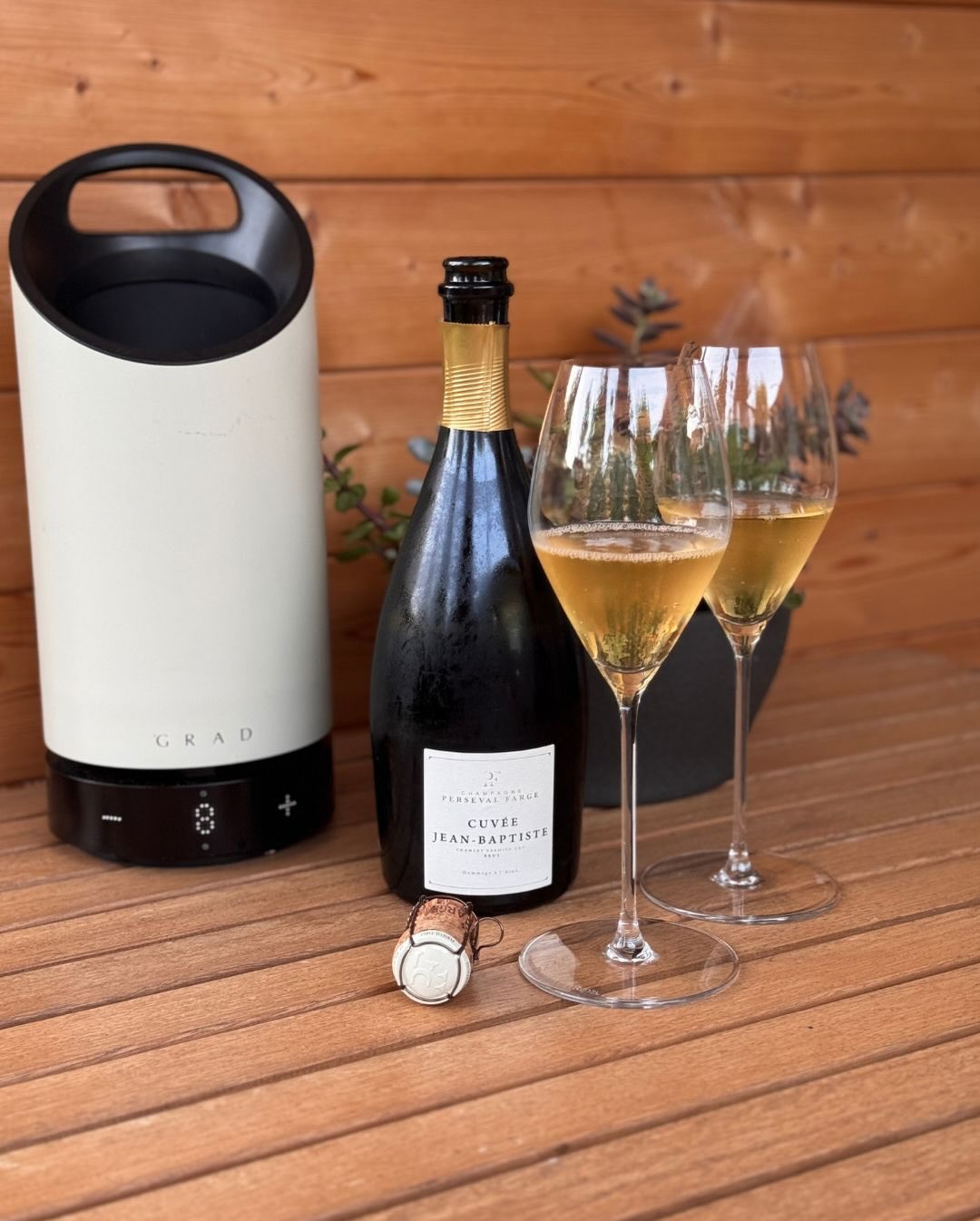
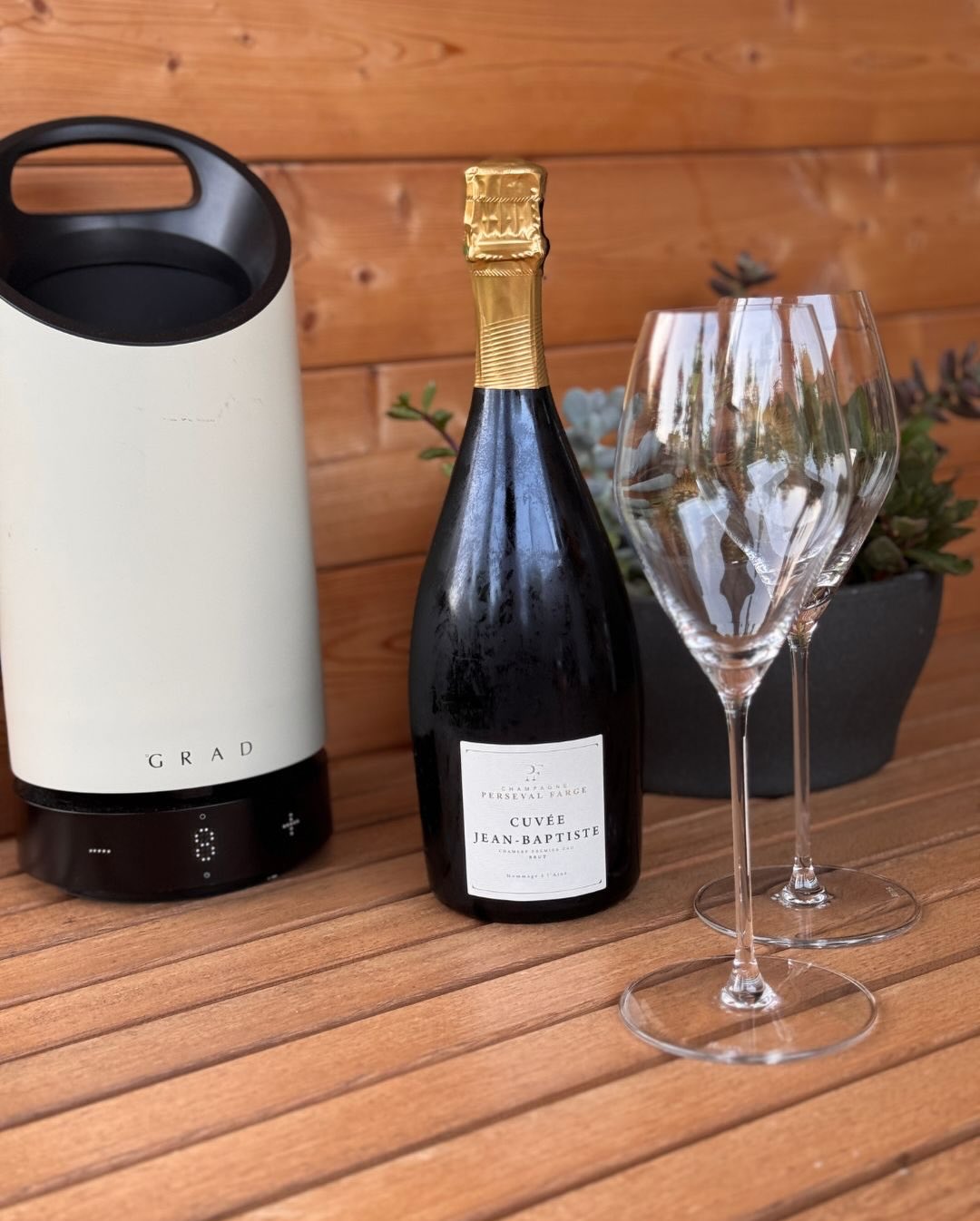
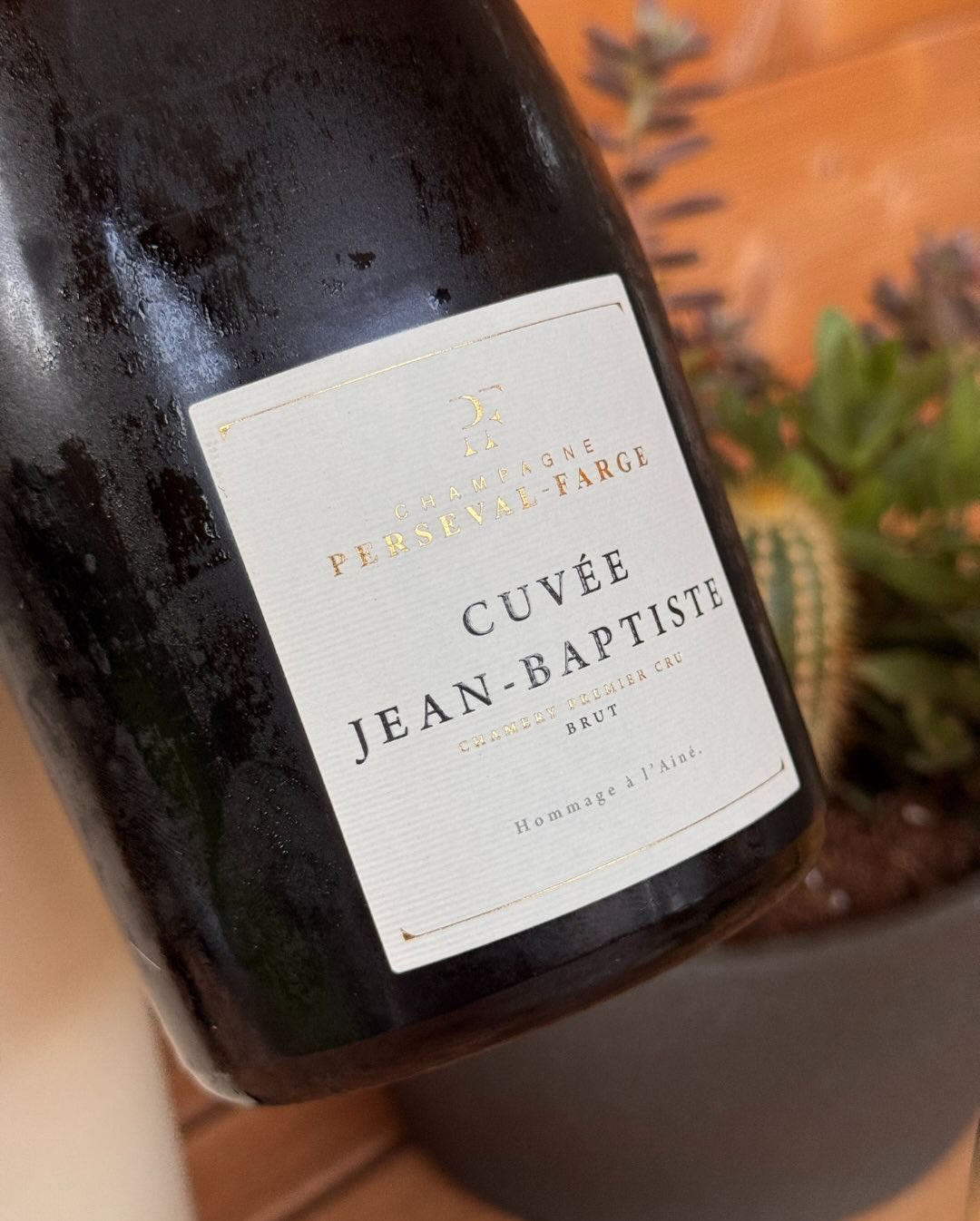
the_champagne.guy Es gibt Winzer, die arbeiten im Hintergrund – ruhig, präzise, ohne großes Marketing. Und Champagner hat ja ohnehin die schöne Eigenschaft, keine Bühne zu brauchen, sondern selbst die Bühne zu sein. Die Cuvée Jean-Baptiste von @persevalfarge ist so eine Flasche, die du nicht zufällig trinkst. Chamery, Premier Cru, fünfte Generation – alles auf Handwerk und Identität gebaut. Und genau das spürst du in dieser Cuvée sofort. Im Glas startet er kernig, hell und ernsthaft: feine Kräuter, etwas Zitrusschale, ein Hauch Steinobst, alles dezent im Hintergrund gehalten – als würde er sich erst langsam öffnen wollen. Auf dem Gaumen dann dichter, komplexer, strukturierter als erwartet: kühle Klarheit vom Chardonnay, rote Tiefe vom Pinot Noir und diese winzigen Nuancen der seltenen Rebsorten Arbane, Petit Meslier und Pinot Gris. Das macht etwas mit der Textur. Es wirkt fast wie eine Mischung aus Präzision und rauchiger Wärme. Champagne-Facts 🥂 Assemblage: 53 % Chardonnay · 34 % Pinot Noir · 8 % Meunier · 5 % Arbane, Petit Meslier & Pinot Gris 📅 Basis: 58 % Jahrgang 2012 🪵 Reserveweine: 42 % aus 2013 / 2011 / 2010 und älter 42 % der Weine im Holz ausgebaut (Mise en fûts 2014) 📍 Terroir: Chamery · Premier Cru 🍬 Dosage: 5,5 g/l (Brut) 🕰 Degorgiert: 01/2024 🍷 Stil: komplex · strukturiert · ruhig · anspruchsvoll #TheChampagneGuy @riedel_official @grad.dk #PersevalFarge #JeanBaptiste #PremierCru #Chamery #RareGrapes #Arbane #PetitMeslier #PinotGris #ChampagneMoment #ChampagneLife
Auf Instagram weiterlesen →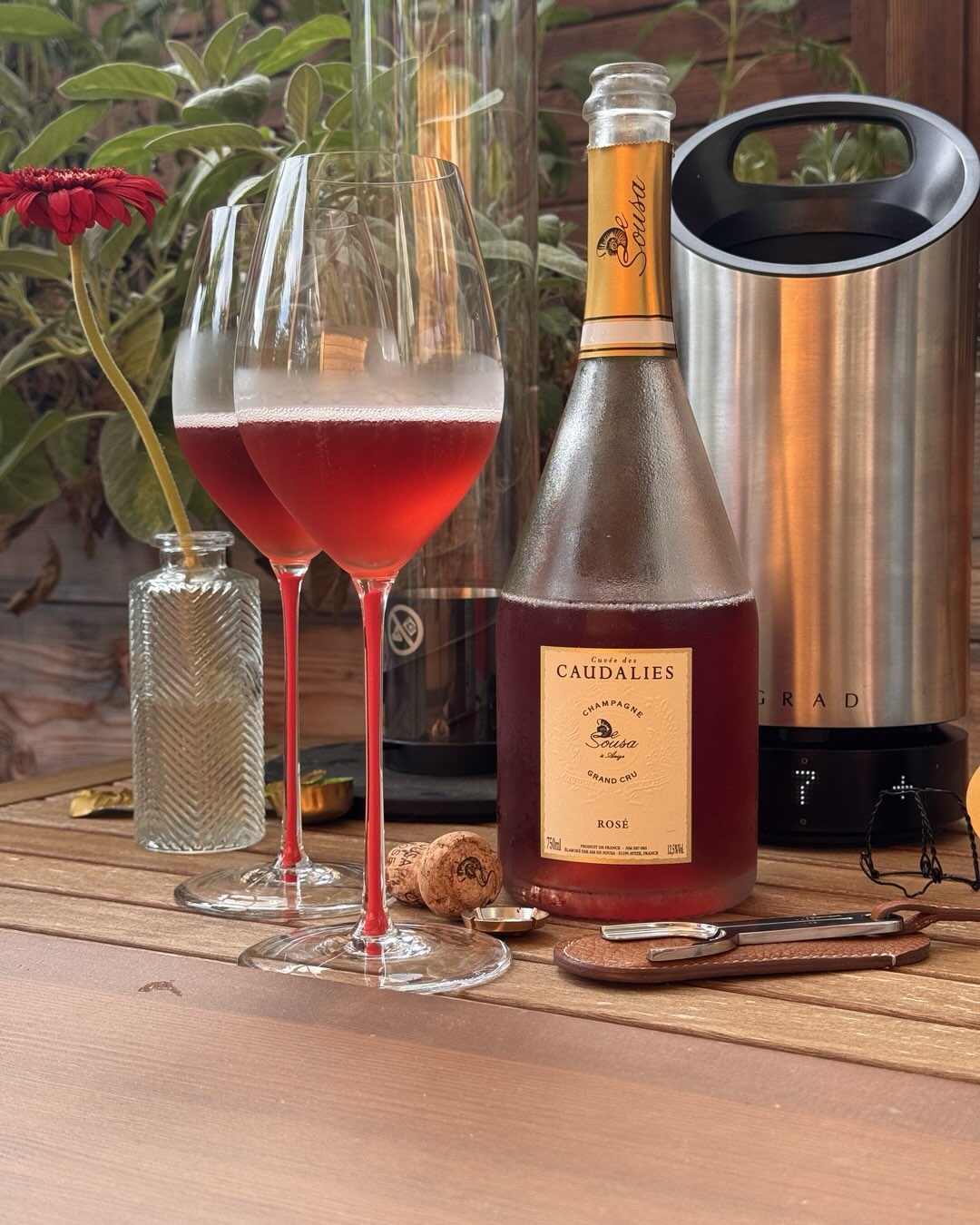
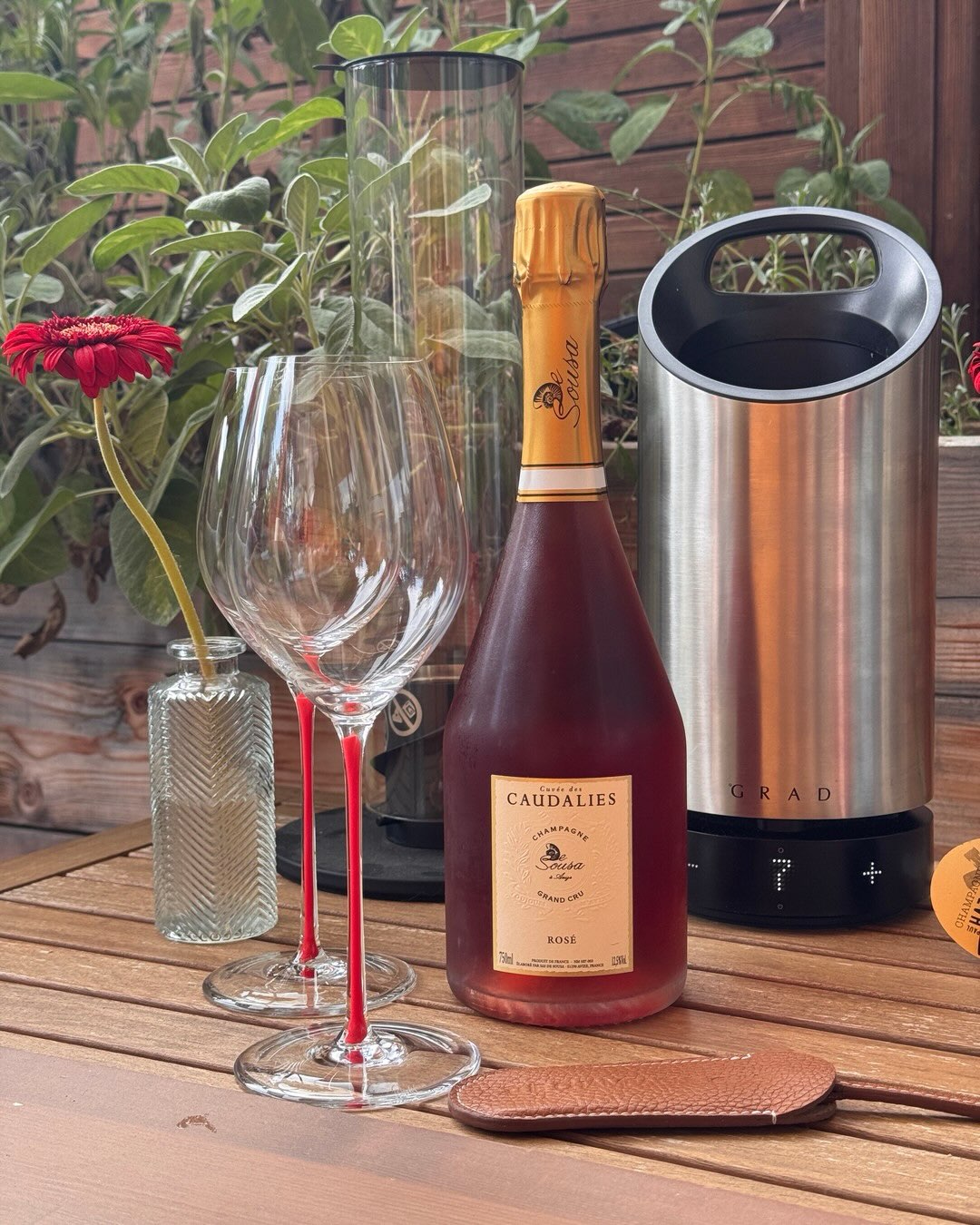
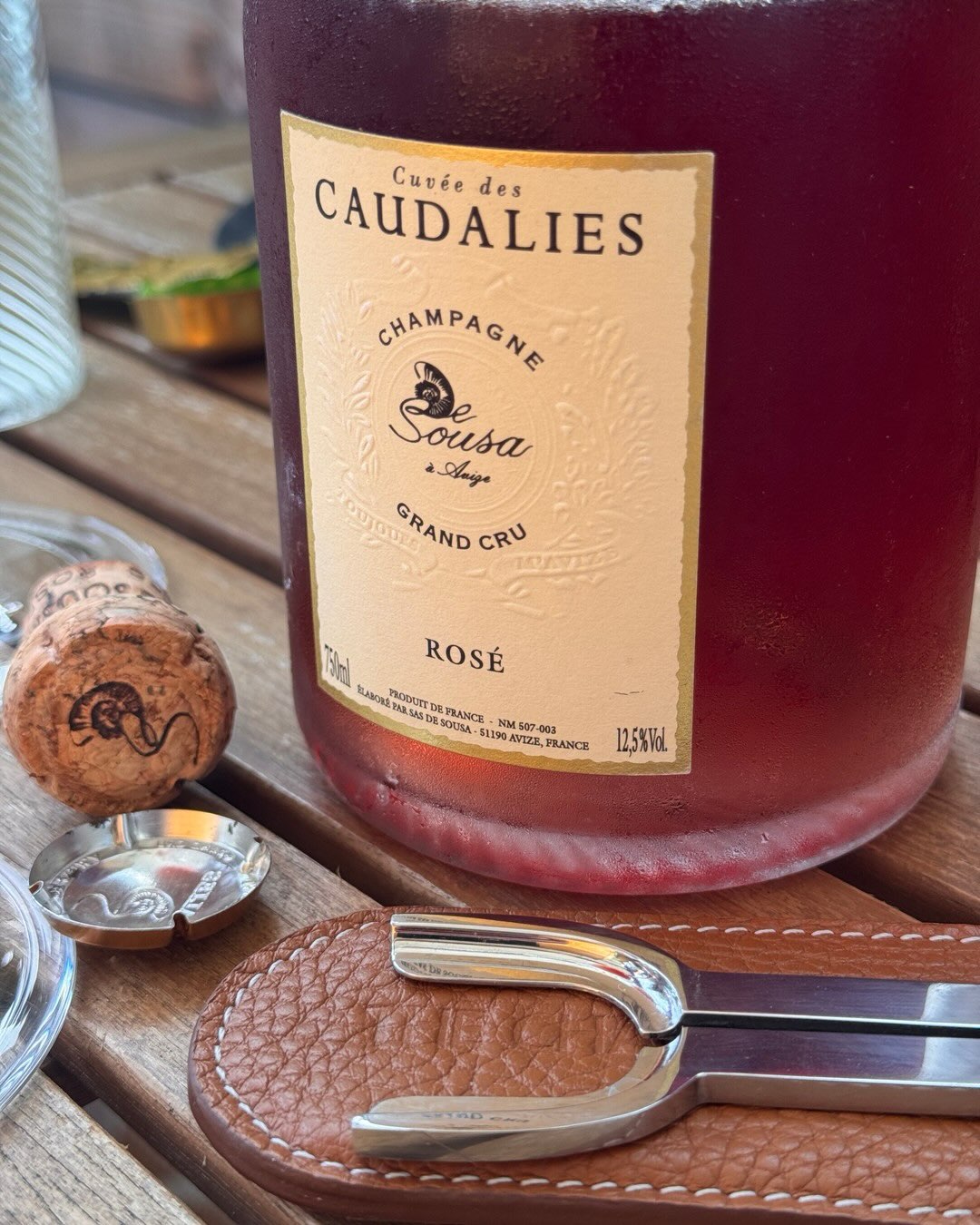
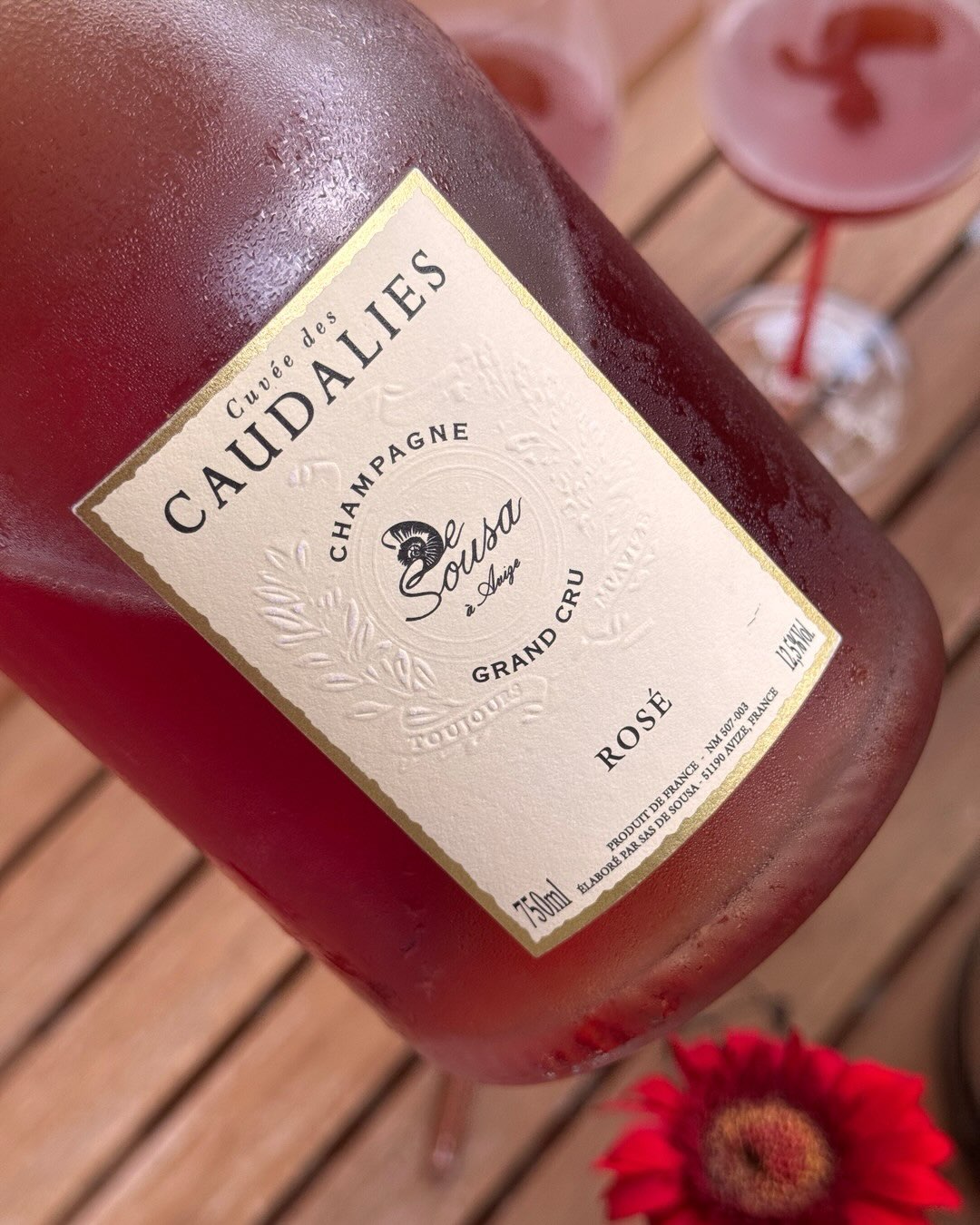
the_champagne.guy Die Farbe irritiert mich bei dieser Flasche. Ein tiefes Rubinrot, fast wie ein Saignée-Rosé aber beim Aroma keine dunkle Beerenfrucht, kein schweres Kompott sondern Rhabarber, Grapefruit, eine schöne hefige Note. Die Säure ist straff und präzise. Nicht das was bei dieser Farbe erwartet hätte. Was hier so tief leuchtet, sind 90% Chardonnay aus Avize aus Reben, die über 60 Jahre alt sind und 10% Pinot Noir aus Aÿ. Beide Lagen Grand Cru. Vinifiziert komplett im Eichenfass, ungefiltert. Das erklärt die Textur, nicht die Farbe. 🍾 Assemblage: 90% Chardonnay (Avize), 10% Pinot Noir (Aÿ) 🏆 Jahrgang: NV 🍷 Ausbau: 100% Eichenfass, ungefiltert 🥂 Dosage: 3 g/l (Brut Nature) 📍 Lage: Avize + Aÿ, Grand Cru 💡 Charakter: straff, zitrisch, würzig, cremig @champagnedesousa baut seit 1986 in Avize, angefangen mit dem Großvater Manuel, der als portugiesischer Soldat im Ersten Weltkrieg in die Champagne kam und blieb. Heute führen die drei Kinder Charlotte, Julie und @valentindesousa das Haus. Seit 2010 Bio-zertifiziert, seit 2013 Demeter-biodynamisch. 9,5 Hektar, ausschließlich Grand Cru-Lagen: Avize, Cramant, Oger, Le Mesnil-sur-Oger für Chardonnay, dazu Aÿ und Ambonnay für den Pinot Noir. Die Caudalies-Linie läuft auf einem Solera-System das 1995 gestartet wurde. Diese Rosé-Variante ist eine der wenigen, bei der das Haus Pinot Noir aus Aÿ einsetzt, und eine der seltensten Chardonnay-dominierten Rosés im Grand Cru-Segment mit so wenig Dosage. Dass 90% Chardonnay einen Rosé so tief einfärbt und trotzdem so frisch bleibt ist das eigentliche Kunststück hier. #BrutNature @riedel_official @riedelteam_france @laclaye @grad.dk @grad_rd #GrandCru #CotedesBlancs #DeSousa #TheChampagneGuy
Auf Instagram weiterlesen →In the sequence 2008-2009-2010-2011-2012, 2010 is the weakest vintage:
| Year | Quality | Character |
|---|---|---|
| 2008 | Excellent | Taut, long-lived |
| 2009 | Good | Ripe, accessible |
| 2010 | Weak to medium | Heterogeneous, cool |
| 2011 | Weak | Early-maturing, light |
| 2012 | Good to very good | Concentrated, structured |
After two good to great years, 2010 was a sobering experience. The consolation: 2012 and 2013 would bring the return of quality.
Few Millésimes
As expected, only a few houses declared a vintage champagne for 2010. The material was predominantly destined for Non-Vintage blends. There it served its purpose: the high acidity brought freshness and nervousness to the assemblage.
Individual grower champagnes with specific parcel bottlings from privileged sites can be interesting, but they remain niche products for connoisseurs.
Drinking Maturity Today
The few 2010 Millésimes that exist find themselves in a peculiar stage: the acidity keeps them fresh, but the lack of fruit concentration makes them seem somewhat hollow. In the best cases, maturity has brought a certain mineral complexity. In the worse cases, the wines are thin and tired.
If you find a 2010, curiosity is worthwhile, but with the readiness to accept disappointment as well.
Posts
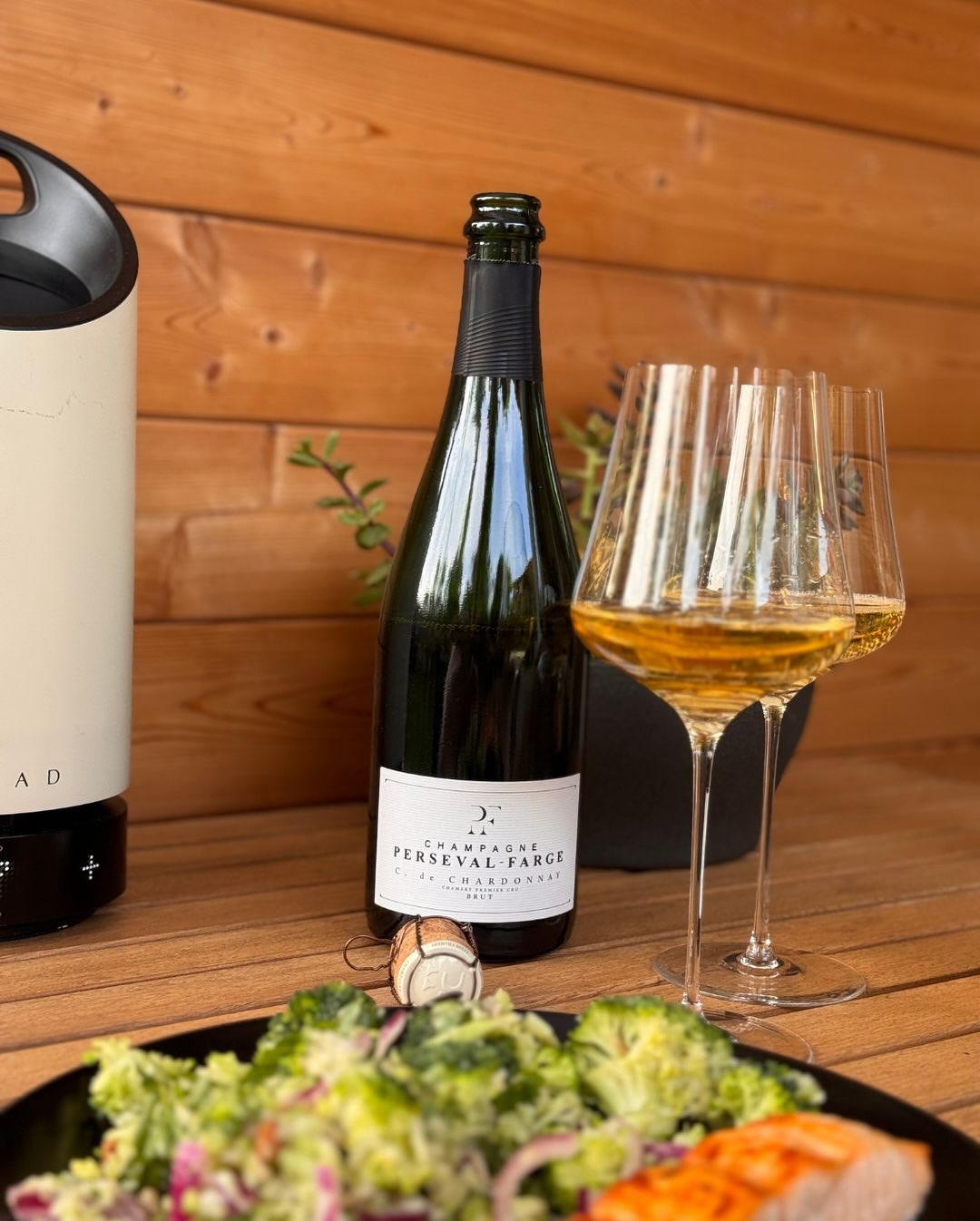
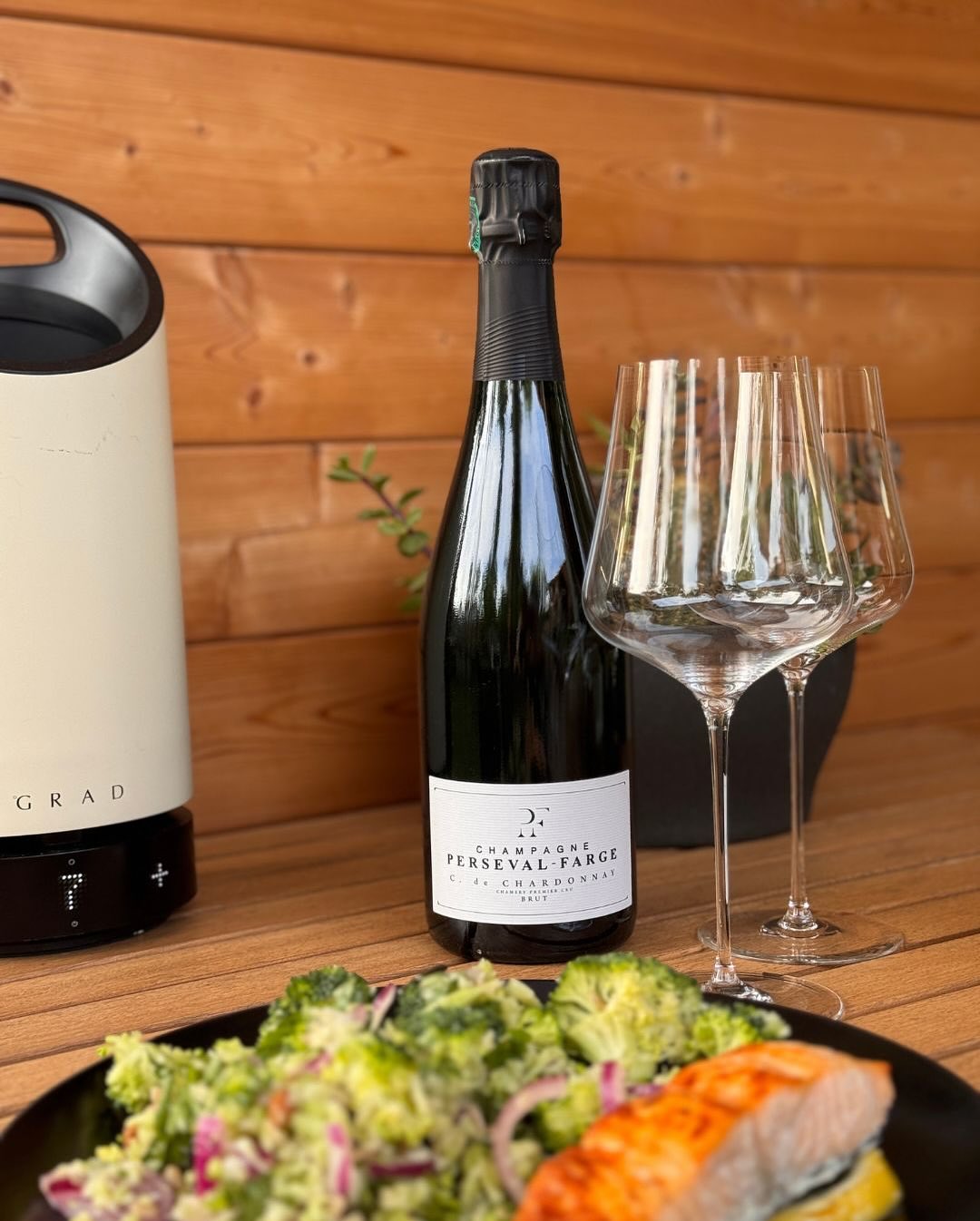
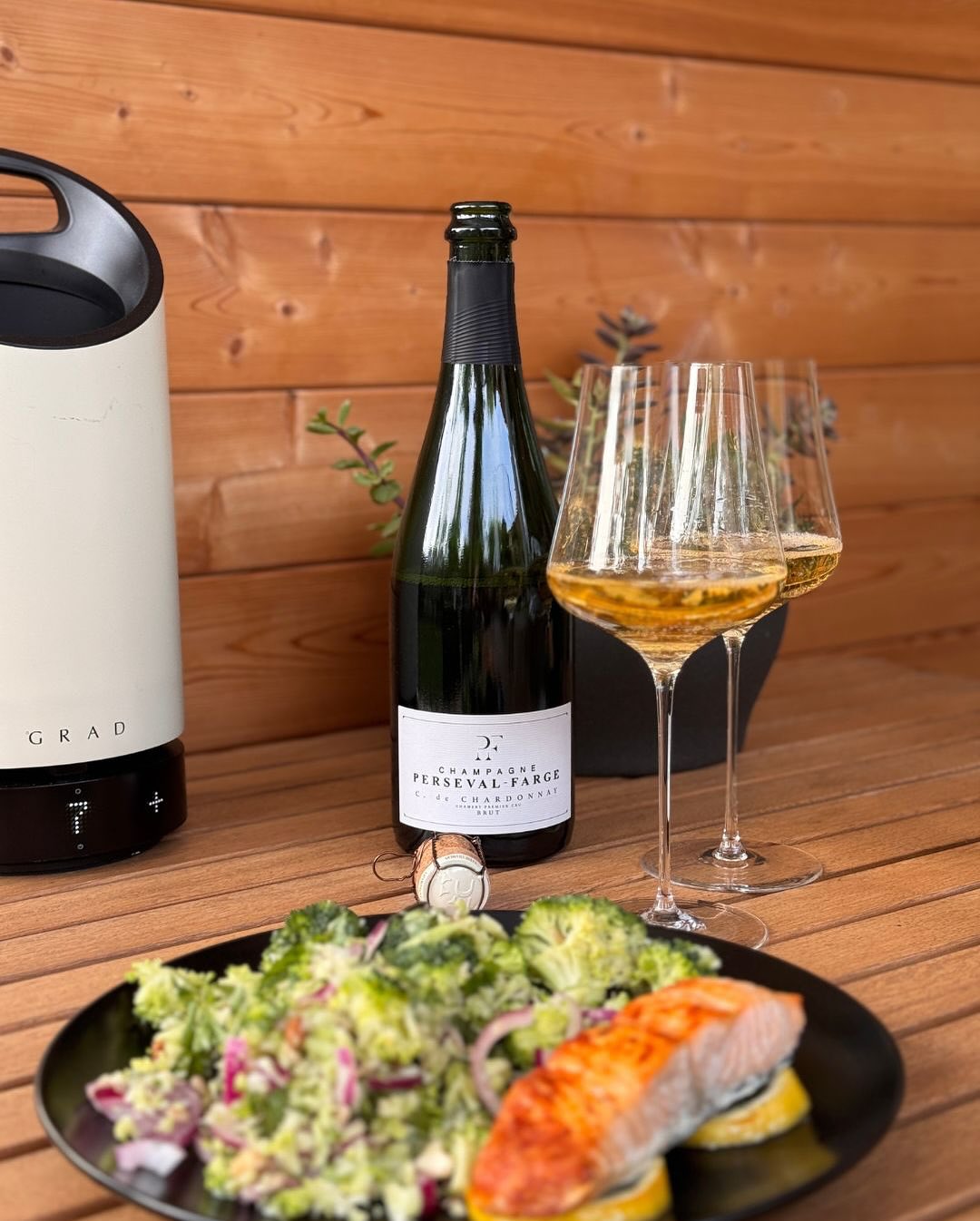
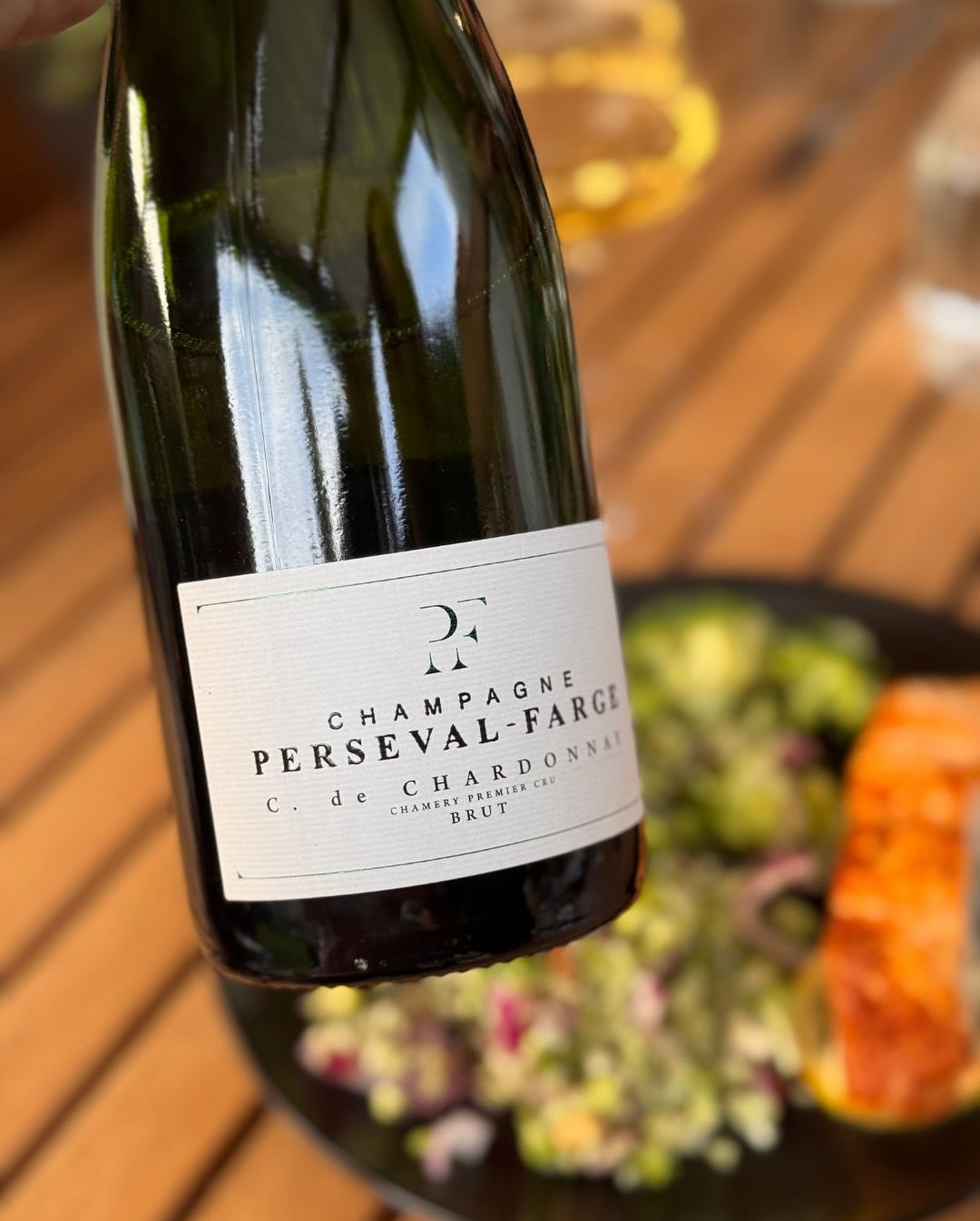
the_champagne.guy Ein Montagabend wie aus dem Lehrbuch. Lauwarmer Brokkoli-Salat mit Honig-Senf-Dressing. Dazu frischer Lachs – gegrillt, mit etwas Zitrone. Und im Glas: Champagne @persevalfarge – C. de Chardonnay. Blanc de Blancs at its best: Klar. Straff. Mineralisch. Mit kühler Frucht, salziger Präzision und einer tollen Eleganz. Der Auftakt? Feine Zitrusnoten, weißer Pfirsich, ein Hauch von Blüten und Kreide. Mit mehr Luft: nussige Anklänge, zarter Schmelz, ein langes, präzises Finale. Geradlinig, aber nicht kühl – eher fokussiert. Serviert bei knapp 10 °C – getrunken aus dem @gabriel_glas . Champagner-Facts: 🍇 100 % Chardonnay (Blanc de Blancs) 📍 Premier Cru – Chamery, Montagne de Reims 🗓️ Tirage: 2014 | Dégorgement: 01/2024 📦 Assemblage: 47 % 2013, 37 % 2012, 13 % 2011, 3 % 2010 🪵 Ausbau im Holz: 22 % ⚖️ Dosage: 1,6 g/l – Extra Brut 🥂 Stil: zitrisch, mineralisch, präzise Fazit: Ein Paradebeispiel dafür, warum ich Blanc de Blancs so liebe. #TheChampagneGuy @mygabrielglas @grad.dk #PersevalFarge #CdeChardonnay #BlancdeBlancs #PremierCru #MineralitätImGlas #BrokkoliUndLachs #ChampagnerLiebe #NoFlutes #MontagMitStil #RiedelLove
Auf Instagram weiterlesen →Conclusion
2010 is not a vintage that writes champagne history. It's a year that shows how dependent Champagne is on weather, and how important the winemaker's skills are when nature doesn't cooperate. A quiet worker in the background, not a star on stage.